Stay connected with your customers by utilizing push notifications to alert them of new chat messages, release notes, and news articles. This will deepen engagement and foster stronger relationships. Gleap supports Firebase Cloud Messaging to send push notifications to users.

Setup Firebase Cloud Messaging

To make use of Gleap Push Notifications you must add the Firebase Cloud Messaging service to your app or website. Learn how to get started with FCM here.

Getting your Firebase Cloud Messaging Token

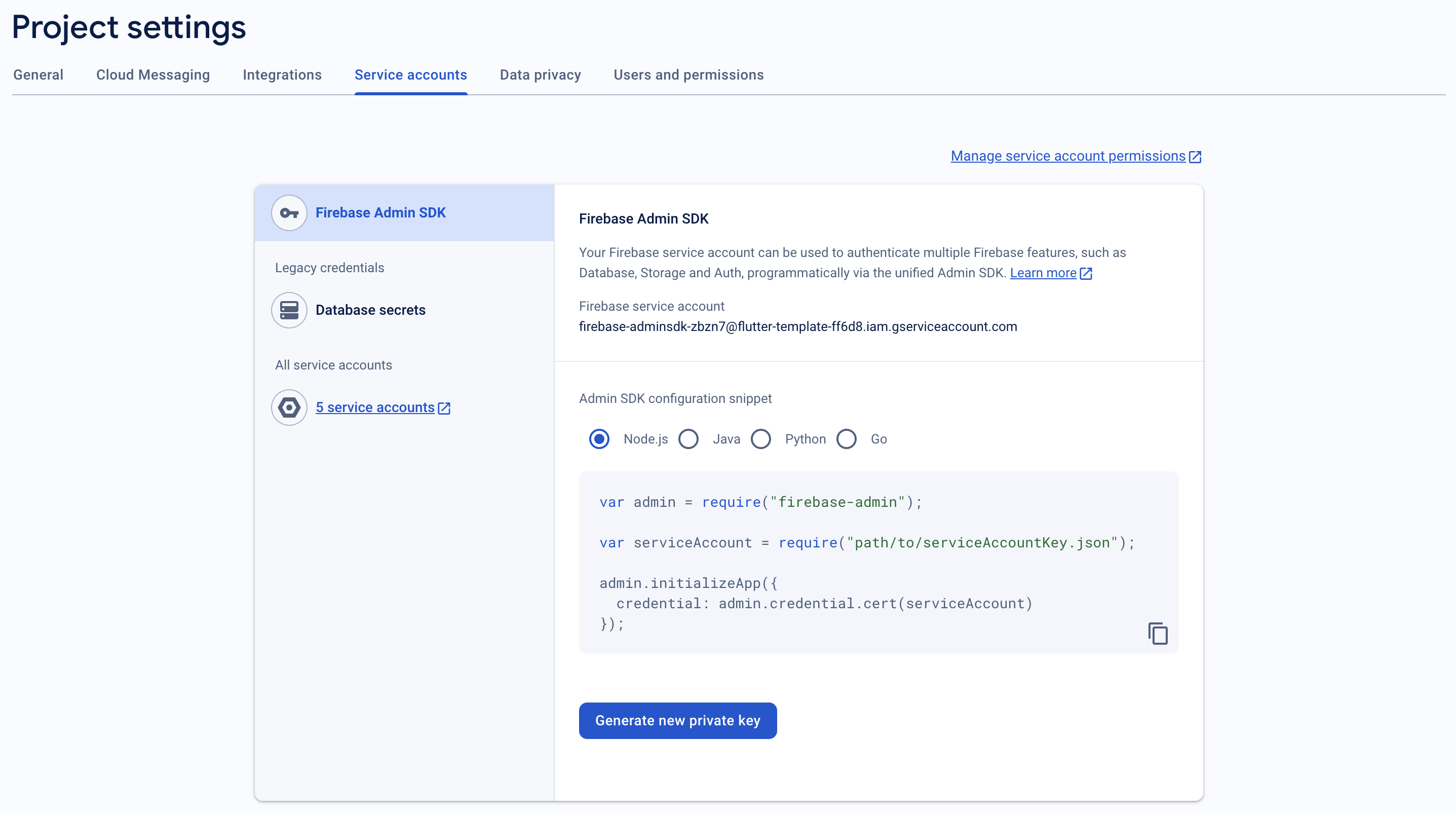
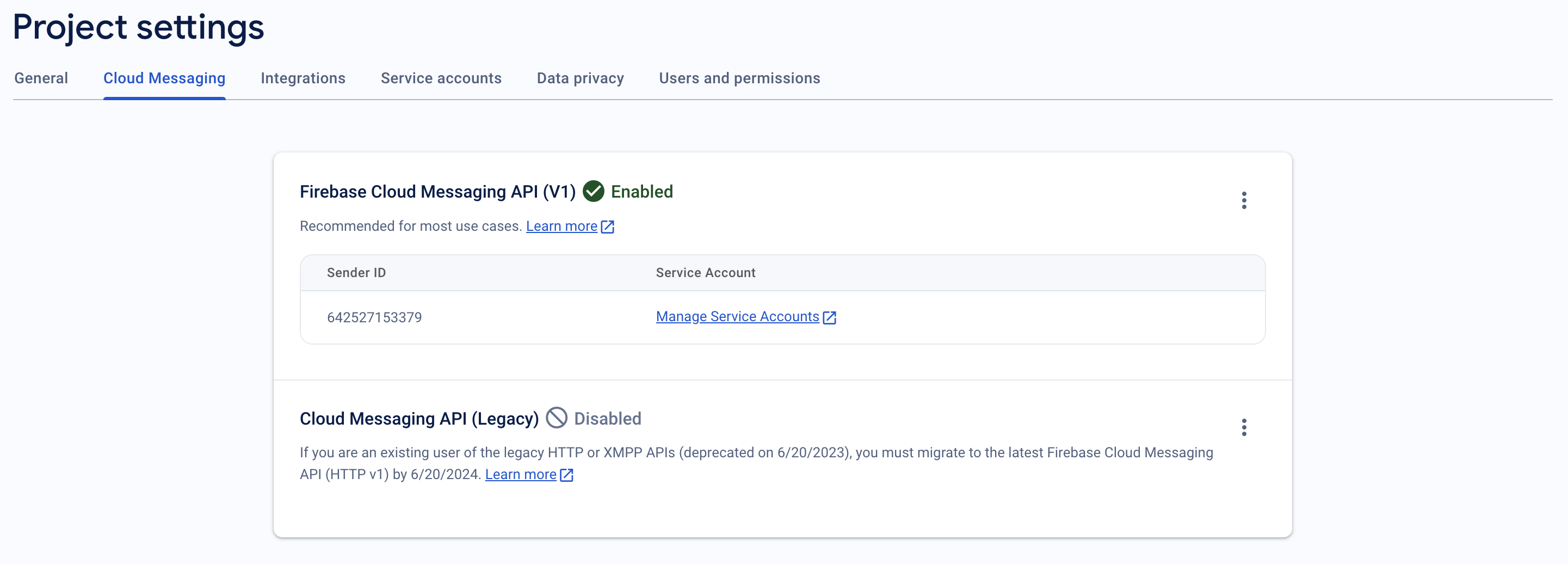
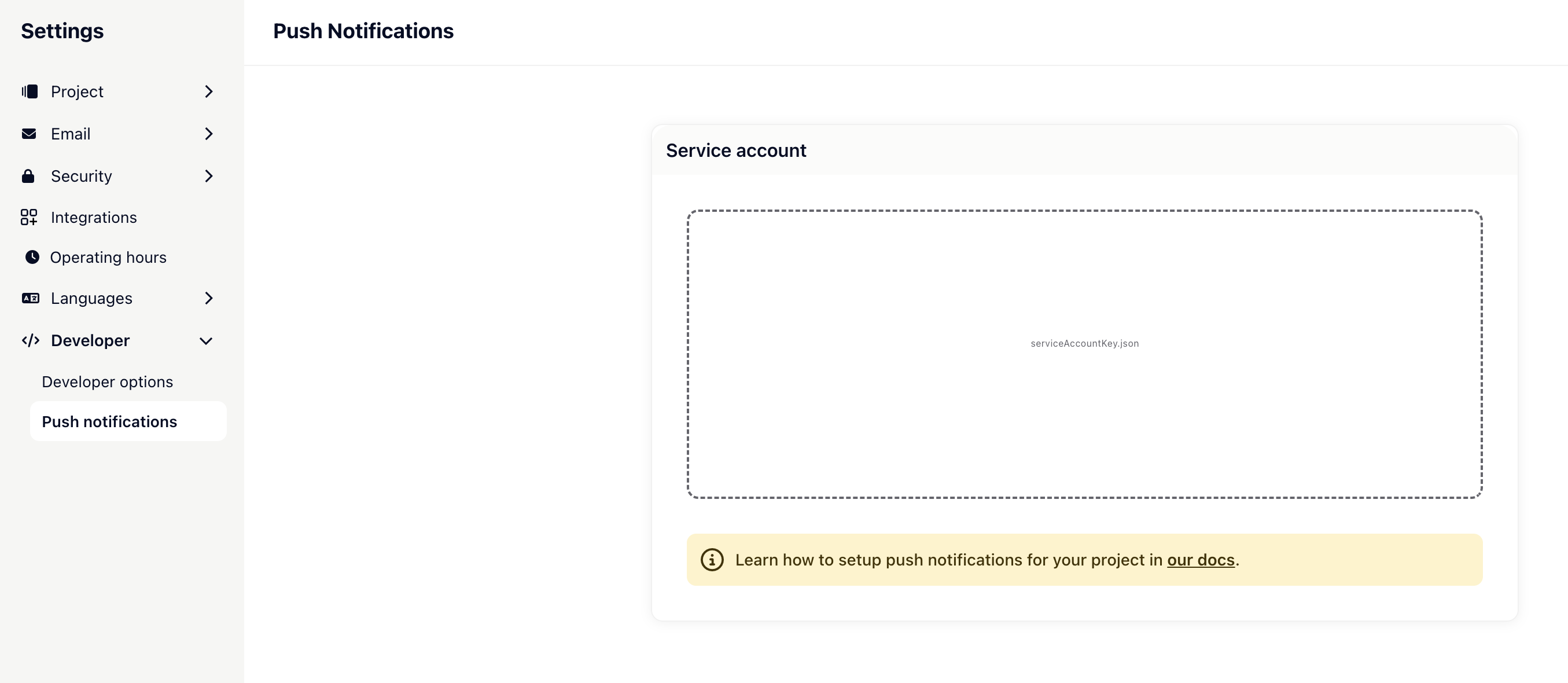
Open your project in Firebase and open the project settings. Click on “Cloud Messaging” and, if it is not already enabled, activate the Firebase Cloud Messaging API (V1). Gleap Firebase Setup Proceed to the “Service Accounts” section and generate a new private key, which will automatically create a file named like serviceAccountKey.json. Gleap Firebase Setup Next, open the project settings in Gleap, select “Push Notifications”, and upload the serviceAccountKey.json file. Finally, save your configuration. Gleap Push Notifications Setup
Subscribe to the Gleap user topic

The last step to complete the push notification setup is to subscribe to the user topic, which Gleap will send the push notifications to. In order to do so, you will need to register the register & unregister push message topic callbacks.
Please note that these callbacks should be called before initializing Gleap.

Handle push-notifications click

To handle push notifications, you will need to register a callback handler for the onMessage, onMessageOpenedAppHandler and onBackgroundMessageHandler callbacks.
That’s it - build and run your app 🚀

Notification images

When a changelog or news article with a featured image is sent as a push notification, Gleap includes the image in the FCM payload.
  • Android displays the image automatically when the notification arrives while your app is in the background — no setup required.
  • iOS requires a Notification Service Extension in your app to display the image. Follow the native setup in the iOS push notification guide — the extension is added to the iOS project in Xcode and works unchanged in a Flutter app.